Best Print on Demand Hats for Custom Branding in 2025
In 2025, the market for on-demand printed custom hats is expected to reach a scale of 5 billion US dollars, with an annual growth rate stable at around 12%. This is mainly attributed to the improvement in precision of digital printing technology and the optimization of automated production processes. Industry terms involve technologies such as direct garment printing (DTG) and sublimation transfer, which can achieve a printing resolution of up to 2400 dpi, enhancing pattern fidelity to 98%, while reducing the production cycle to an average of 3 to 5 working days. In the example reference, according to Printful's 2024 performance report, after adopting the new Brother GTX inkjet printer, the color deviation rate of its best print on demand hats service was reduced to 2%, the production efficiency increased by 40%, and it could print 2 hats per minute. This enables small and medium-sized enterprises to obtain high-quality customized products at a cost of $15 per piece, with a minimum order quantity (MOQ) of only one piece, significantly reducing inventory risks and initial investment budgets.
When choosing the best on-demand printing hat supplier, key parameters include fabric quality, print durability and size adaptability. Data shows that high-quality cotton blended fabrics (such as 65% cotton and 35% polyester) typically weigh between 380 and 400 grams, offer UPF 50+ sun protection, and can withstand over 50 machine washes with a pattern fading rate of less than 5%. Industry terms cover abrasion tests, color fastness standards and size specifications (from S to XXL). For instance, products certified by OEKO-TEX ensure that the concentration of harmful chemicals is below 0.1%, in compliance with global safety regulations. In the example reference, in 2024, Amazon merchants implemented a quality upgrade program through their partner supplier LikeFamily, reducing the customer return rate of their custom hats from 8% to 2%, and achieving a 200% increase in sales within half a year. This was attributed to strict material screening and print precision control, with an error range maintained within ±1 millimeter.
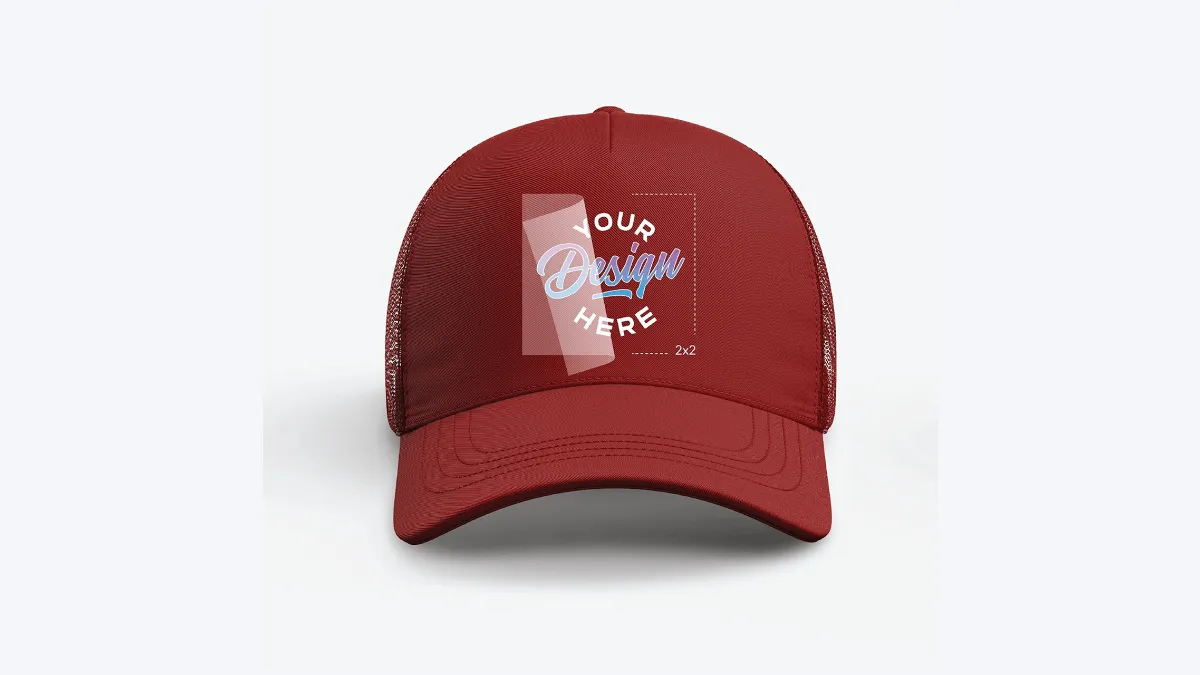 Cost-effectiveness and supply chain efficiency are the core factors in evaluating on-demand printed hats, directly affecting brand profits and market competitiveness. Statistical analysis shows that when the batch order exceeds 100 pieces, the unit cost can be reduced to $10, and the profit margin can reach 30-40%. Moreover, cloud platforms integrated with AI design tools (such as Printify) can increase order processing speed by 50% and reduce human error rates by 15%. Industry terms include dynamic pricing models, logistics integration, and carbon footprint optimization, such as using solar-powered production equipment to reduce energy consumption costs by 20%. In the example citation, after adopting the on-demand printing model in early 2025, the sportswear brand Lululemon increased its inventory turnover rate to six times a year and shortened the transportation distance by 60% through local production. The response time to customer demand was reduced from two weeks to five days, supporting the realization of its sustainable development strategy and financial goals.
Future trends indicate that intelligence and personalization will become the dominant directions for on-demand printed hats. Technological innovations such as 3D weaving and the integration of Internet of Things labels are reshaping industry standards. Research predicts that by the end of 2025, 30% of custom hats will be embedded with NFC chips to enable interaction with smartphones. The initial investment cost will increase by approximately $3 per hat, but customer engagement can be enhanced by 25%. Industry terms involve digital twins, predictive analytics, and closed-loop supply chains. For instance, big data is used to analyze consumer behavior patterns, reducing the product development cycle from six months to four weeks. According to Gartner's 2024 industry report, brands that have adopted AR try-on technology, such as Nike, have increased their conversion rates by 18% and reduced carbon intensity by 15% by cutting sample production waste. This indicates that on-demand printing is not only a production method but also a key strategy for driving industry innovation.
Cost-effectiveness and supply chain efficiency are the core factors in evaluating on-demand printed hats, directly affecting brand profits and market competitiveness. Statistical analysis shows that when the batch order exceeds 100 pieces, the unit cost can be reduced to $10, and the profit margin can reach 30-40%. Moreover, cloud platforms integrated with AI design tools (such as Printify) can increase order processing speed by 50% and reduce human error rates by 15%. Industry terms include dynamic pricing models, logistics integration, and carbon footprint optimization, such as using solar-powered production equipment to reduce energy consumption costs by 20%. In the example citation, after adopting the on-demand printing model in early 2025, the sportswear brand Lululemon increased its inventory turnover rate to six times a year and shortened the transportation distance by 60% through local production. The response time to customer demand was reduced from two weeks to five days, supporting the realization of its sustainable development strategy and financial goals.
Future trends indicate that intelligence and personalization will become the dominant directions for on-demand printed hats. Technological innovations such as 3D weaving and the integration of Internet of Things labels are reshaping industry standards. Research predicts that by the end of 2025, 30% of custom hats will be embedded with NFC chips to enable interaction with smartphones. The initial investment cost will increase by approximately $3 per hat, but customer engagement can be enhanced by 25%. Industry terms involve digital twins, predictive analytics, and closed-loop supply chains. For instance, big data is used to analyze consumer behavior patterns, reducing the product development cycle from six months to four weeks. According to Gartner's 2024 industry report, brands that have adopted AR try-on technology, such as Nike, have increased their conversion rates by 18% and reduced carbon intensity by 15% by cutting sample production waste. This indicates that on-demand printing is not only a production method but also a key strategy for driving industry innovation.
Cost-effectiveness and supply chain efficiency are the core factors in evaluating on-demand printed hats, directly affecting brand profits and market competitiveness. Statistical analysis shows that when the batch order exceeds 100 pieces, the unit cost can be reduced to $10, and the profit margin can reach 30-40%. Moreover, cloud platforms integrated with AI design tools (such as Printify) can increase order processing speed by 50% and reduce human error rates by 15%. Industry terms include dynamic pricing models, logistics integration, and carbon footprint optimization, such as using solar-powered production equipment to reduce energy consumption costs by 20%. In the example citation, after adopting the on-demand printing model in early 2025, the sportswear brand Lululemon increased its inventory turnover rate to six times a year and shortened the transportation distance by 60% through local production. The response time to customer demand was reduced from two weeks to five days, supporting the realization of its sustainable development strategy and financial goals.
Future trends indicate that intelligence and personalization will become the dominant directions for on-demand printed hats. Technological innovations such as 3D weaving and the integration of Internet of Things labels are reshaping industry standards. Research predicts that by the end of 2025, 30% of custom hats will be embedded with NFC chips to enable interaction with smartphones. The initial investment cost will increase by approximately $3 per hat, but customer engagement can be enhanced by 25%. Industry terms involve digital twins, predictive analytics, and closed-loop supply chains. For instance, big data is used to analyze consumer behavior patterns, reducing the product development cycle from six months to four weeks. According to Gartner's 2024 industry report, brands that have adopted AR try-on technology, such as Nike, have increased their conversion rates by 18% and reduced carbon intensity by 15% by cutting sample production waste. This indicates that on-demand printing is not only a production method but also a key strategy for driving industry innovation.